


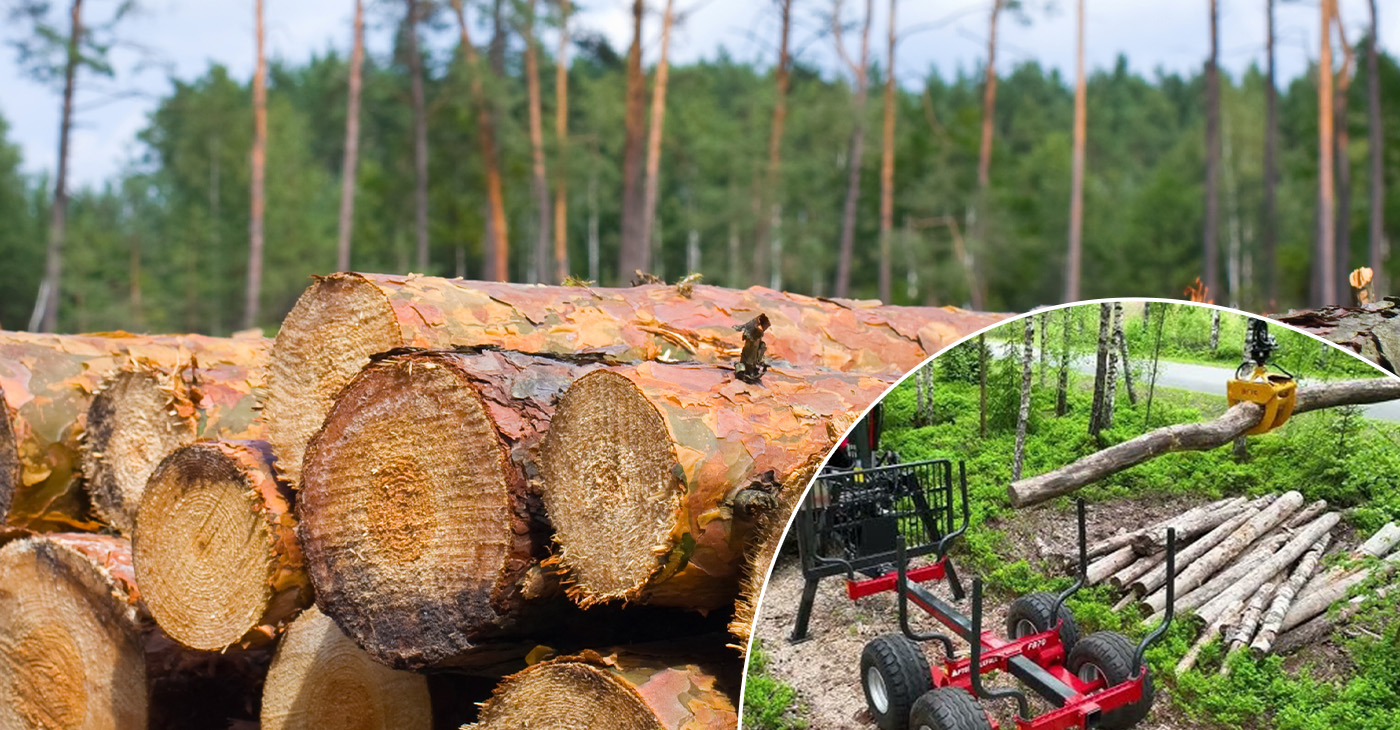
From precision forestry to bioeconomy integration, asking what is timber harvesting in Sweden reveals something far more complex than extraction, it is a data-driven, sustainability-governed industrial system shaping the future of European raw materials.
A definition that no longer suffices
“What is timber harvesting?” used to invite a simple answer: the process of felling, processing, and transporting trees for industrial use. In today’s Nordic context, particularly in Sweden, that definition is outdated. Timber harvesting has evolved into a tightly regulated, technologically advanced, and sustainability-centric operation embedded in a broader bioeconomy.
From logging to systems engineering
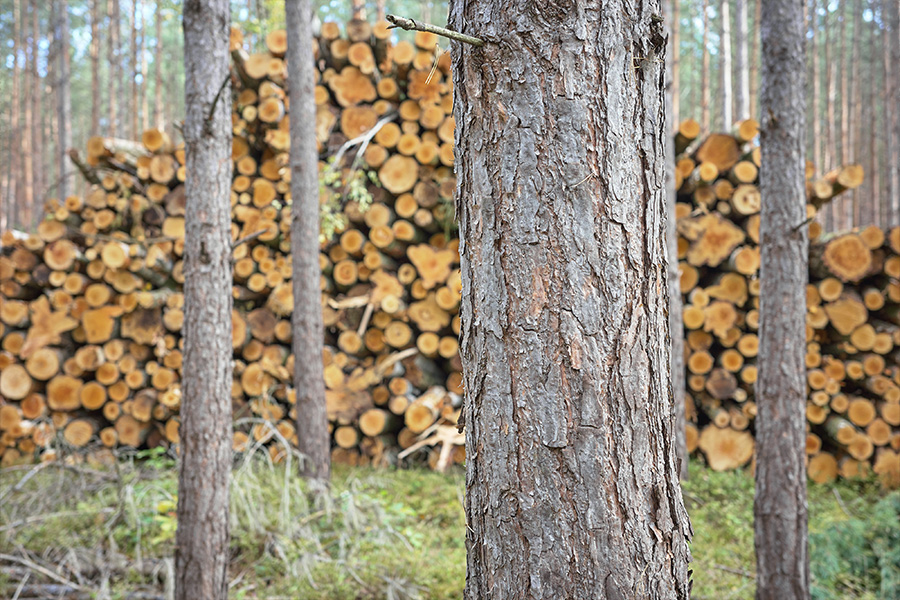
What timber harvesting is in Sweden today resembles systems engineering more than traditional forestry. Interventions, from thinning to final felling, are planned using GIS mapping, satellite data, and predictive growth models, turning forest operations into coordinated and pre-optimized processes.
This shift is driven by regulatory pressure under EU climate frameworks, combined with industrial demand for traceable, certified raw materials. In practice, companies must comply with FSC and PEFC certification schemes, where increasing transparency requires harvesting plans to be publicly accessible and deviations subject to regulatory scrutiny.
The Swedish model: intensive yet sustainable
Sweden’s forestry model is often described as “intensive but sustainable.” One key indicator is that forest growth continues to exceed total removals (harvest plus natural losses), meaning overall timber stock is still increasing. According to the latest national inventory data from SLU, Sweden’s standing timber volume now exceeds 3.6 billion cubic metres, reflecting long-term accumulation despite high industrial activity.
The harvesting cycle typically includes:
- Pre-commercial thinning to optimize stand density
- Final felling at maturity (often 60–100 years depending on species)
- Mandatory replanting within three years
Machinery at the core: precision in motion
No discussion of what timber harvesting is can be complete without examining the machinery that enables it. Swedish forestry is among the most mechanized in the world, with harvesters and forwarders replacing manual labor in most operations.
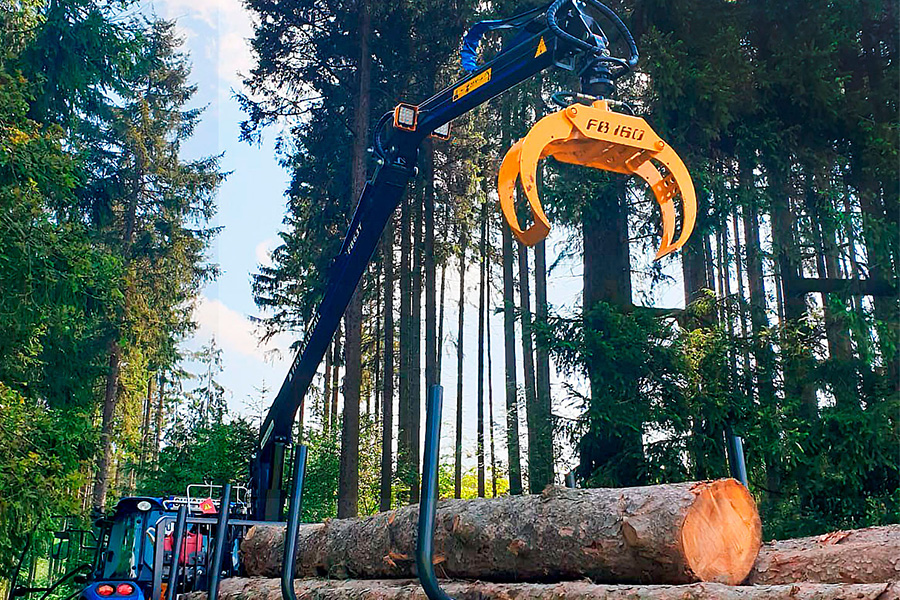
A critical component in this ecosystem is the forestry trailer equipped with a hydraulic crane, used for extracting and forwarding timber from the stand to roadside landing points. Manufacturers like FTG Källefall have refined these systems for Nordic conditions.
FTG Källefall forestry trailers with cranes
These integrated systems combine a rugged trailer with a hydraulic crane, enabling operators to load logs directly after felling. The crane’s reach and precision reduce ground damage and improve efficiency in dense stands. Models featured at https://ftgkallefall.com/ are designed for compatibility with modern tractors and optimized for uneven terrain.
Timber forwarding trailers
These are designed for transporting cut timber over short distances. Unlike traditional skidders, they minimize soil compaction and are often equipped with advanced suspension systems.
Data-driven harvesting: the quiet revolution
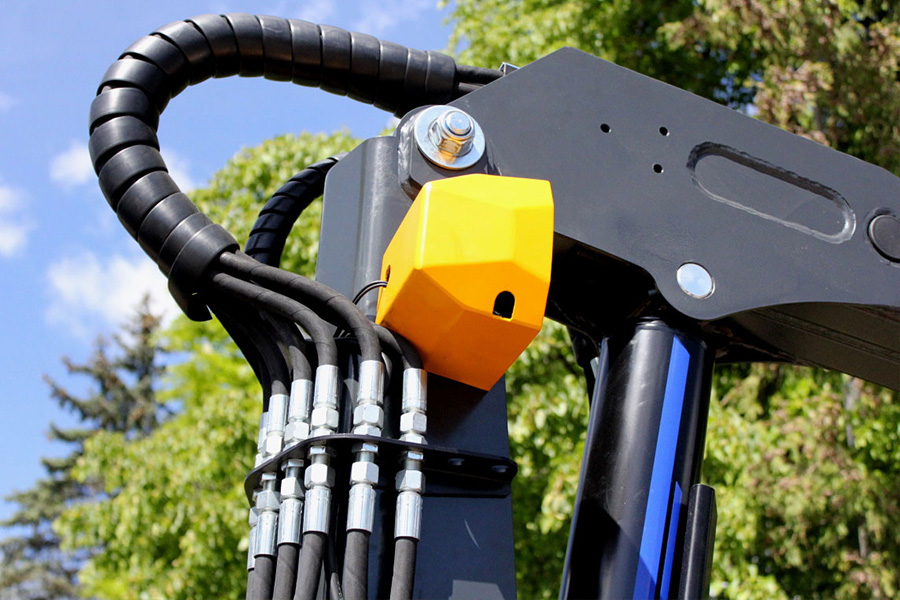
Execution in the forest is now increasingly data-driven. Modern forestry machines operate as connected systems, integrating machine telemetry with satellite imagery and environmental data to guide real-time decision-making in the field. This enables continuous optimization of harvesting operations, improving efficiency, reducing waste, and ensuring compliance with increasingly strict traceability and ESG requirements.
Timber harvesting as climate strategy
In Sweden, timber harvesting is framed as part of the climate solution. Forests act as carbon sinks, while harvested wood stores carbon in long-lived products. However, this balance is sensitive. Across Europe, the carbon absorption capacity of forests has declined significantly due to climate pressures and increased harvesting intensity, according to the European Environment Agency.
Sweden’s approach relies on maintaining a surplus between growth and harvest. If that balance shifts, the climate benefits quickly erode, making continuous monitoring essential.
Industrial demand and market dynamics
Demand for timber is expanding beyond traditional sectors. While sawlogs and pulp remain dominant, new applications are reshaping harvesting requirements. According to the Swedish Forest Industries Federation, over 85% of raw material used by Swedish industry is domestically sourced. This highlights the importance of efficient harvesting systems.
Emerging demand segments include:
- Engineered wood products such as cross-laminated timber
- Bio-based chemicals
- Renewable energy (biomass)
Major players like SCA and Stora Enso are actively investing in these areas, increasing pressure on harvesting operations to deliver consistent, traceable raw materials.
Challenges beneath the surface
Despite its sophistication, the Swedish model faces structural pressures that are becoming increasingly difficult to ignore.
Climate variability
Increasingly volatile weather patterns are already impacting growth cycles, as storms, droughts, and pest outbreaks introduce uncertainty into long-term yield forecasts and harvesting schedules.
Biodiversity trade-offs
Ongoing debate continues to highlight this as a central point of criticism, where intensive management practices—particularly clear-cutting—can simplify ecosystems and reduce habitat diversity.
Policy uncertainty
At the EU level, a rapidly evolving regulatory landscape is reshaping conditions, as new climate frameworks and land-use rules create shifting expectations for forest owners and industrial actors.
Carbon sink decline
Recent European data points to a growing risk, with weakening forest absorption capacity raising questions about how far harvesting levels can be sustained without undermining climate goals.
A blueprint for Europe?
Sweden’s timber harvesting system is increasingly viewed as a benchmark within Europe. Its integration of regulation, industrial demand, and digital infrastructure offers a scalable model.
Yet replication is not straightforward. Differences in ownership structures, forest composition, and political priorities limit direct transferability. Still, core elements, such as national forest inventories and digital monitoring, are already being adopted across the EU.
Conclusion: what is timber harvesting in 2026?
In Sweden, it is a convergence of ecology, engineering, and economics. It is a process governed as much by algorithms and policy frameworks as by chainsaws and cranes.
For industry professionals, the takeaway is clear: timber harvesting is no longer a standalone activity. It is a critical node in a complex value chain that spans climate policy, industrial innovation, and global markets. Understanding it requires not just technical knowledge, but systems thinking.
And that is precisely where Sweden is setting the pace.
